A compassionate journey of resilience and resourcefulness, Levan Akin’s Crossing navigates the complexities of family, and follows the relationships forged and compromises made in its absence.
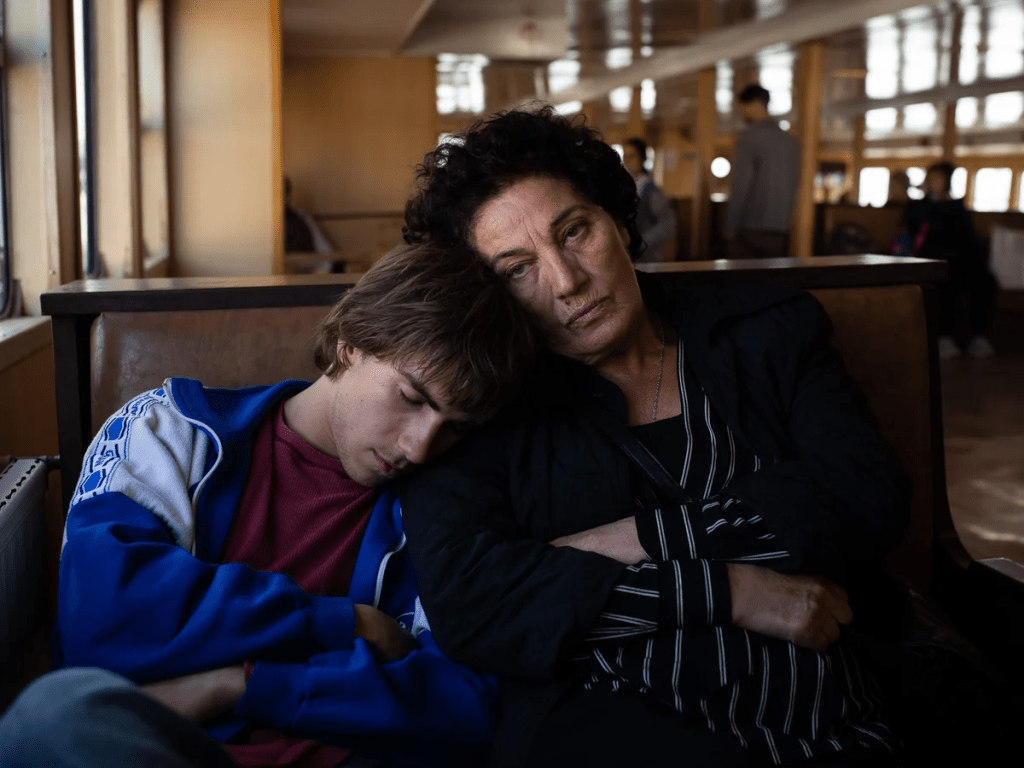
Silence. The cinema demands it, with injunctions on phones and talking. But it can also command it, creating times when the filmic experience shuts off the outside. Our attention and imagination focused in unique and magical ways. Levan Akin, not immune to noise, whose previous film And Then We Danced about queer love in Georgia sparked protests and death threats, harnesses cinemas silence in Crossing. He blocks out the often aggressive, often politically motivated noise around the lives of trans people to remind us of what we already know but can forget: that those behind the headlines are people, equally thrown into life’s struggles with families, dreams, disappointments and successes.
Crossing follows Lia, a terse and spiky retired schoolteacher, as she crosses the border from Georgia into Turkey in search of her long-lost niece Tekla. The circumstances surrounding Tekla’s departure haunt Lia, and as a dying wish to her sister, she has promised to find and bring Tekla home. Beginning in Georgia, and Tekla’s last known address, Lia bumps into an old student and his shaggy and resourceful brother, Achi, who persuades Lia to bring him along for the ride. These two strike an unlikely pair, and the film interweaves stories from Istanbul’s fringes – from two zippy street children to a trans lawyer who volunteers at an LGBTQ+ community centre. These colliding characters, each attempting to carve a life against hardship and discrimination, provide Akin with the scope to tenderly explore issues of family and belonging as Lia and Achi get closer to Tekla.
The heart of the film is the way the three central characters, all delightfully acted and directed, with differences in age, demeanour, and experience, find ways to support each other. Mzia Arabuli is compelling as the stern and dignified Lia, worn down and defensive, whose affectionate actions and craving for affection undermine her cold exterior. Lucas Kankava as Achi is infectious, after a slightly exaggerated beginning to the film. While Denis Dumanli is magnetic as trans trainee lawyer and activist Evrim.
In its study of relationships which fill in, pick up the pieces of, or replace traditional family structures, Crossing is reminiscent of the films of Kore-Eda, especially Shoplifters. The film shares with Kore-Eda an obsession with what becomes of the family, and its relationships, when it is withheld, chosen, or forced on to us. A powerful bond develops between the travelling duo Lia and Achi, despite their protestations otherwise, as they scour Istanbul for answers. Meanwhile, the trans community of Istanbul are forced to forge relationships to survive, from a brothel’s “mother” to the volunteering work involved in protecting and supporting vulnerable people.
Despite its sedate and stylised beginning, the film builds steadily and lovingly drawing significant emotional attachment to its jumble of characters. It is impossible not to root for them and all their makeshift and fragile relationships. Crossing is a beautiful meditation on family, with its various flaws and failures, and yet the inevitability of its relationships resurfacing and being rebuilt.
 Dan Does Film Reviews
Leave a comment